Do
What there is to do here
On the water, in the preserves, and in the towns that ring the lake — season by season.
The lake is the main event, but it is not the only one. Between two large preserves, a historic farmstead with a serious festival calendar, growing greenways, and Charlotte fifteen minutes away, the weekend problem here is choosing rather than finding.
On the water
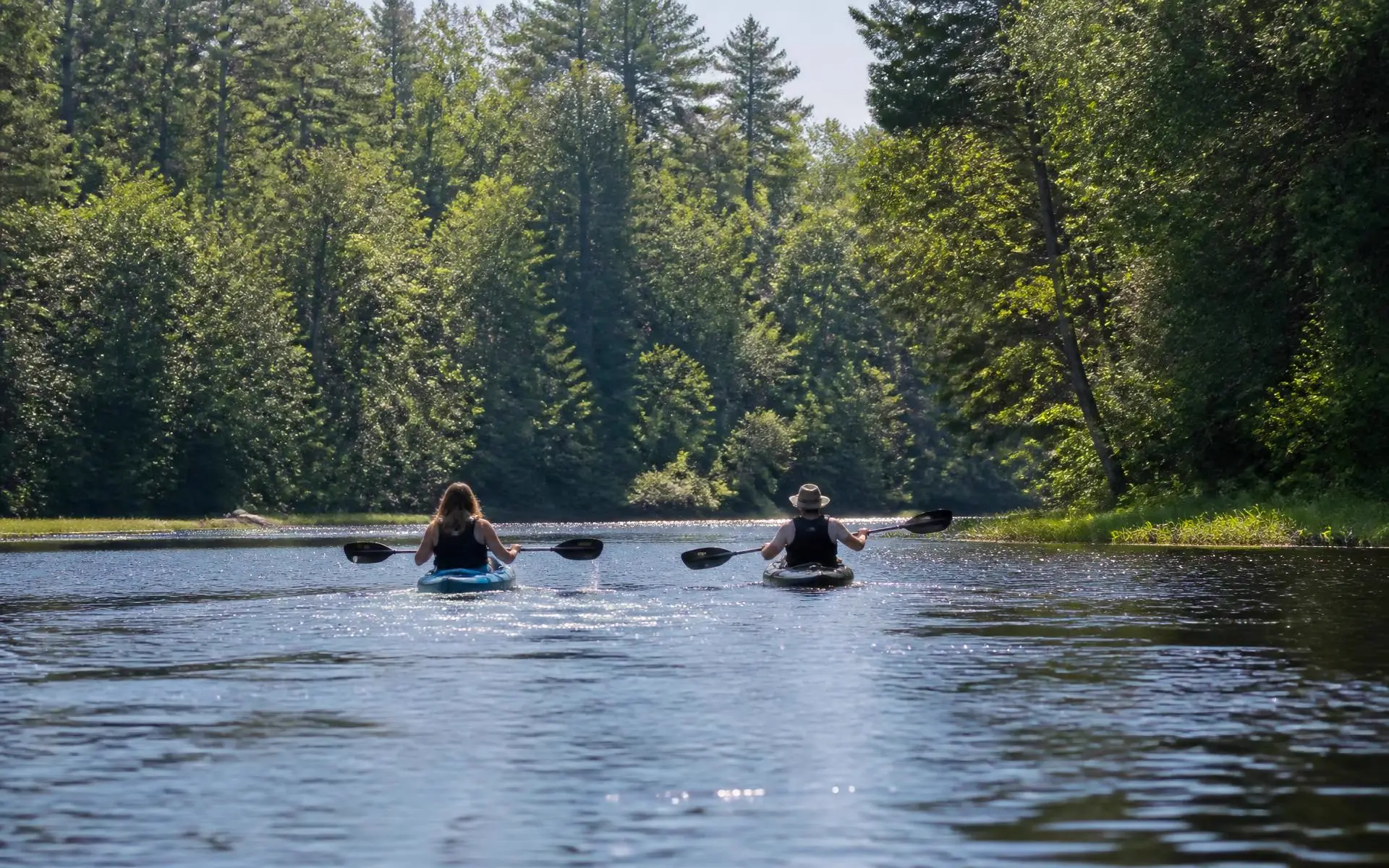
- Paddleboarding and kayaking the coves — the single best use of this lake.
- Pontoon days and cove anchoring, without the Norman crowd.
- Fishing the channel and laydowns; strong spring and fall bites.
- Sunset cruises down the main channel toward the dam.
On land
- Latta Nature Preserve trails, nature center, and equestrian center.
- Historic Rural Hill: trails, sheepdog trials, and festivals.
- Mountain Island Educational State Forest interpretive trails.
- Mount Holly riverfront greenway and main-street wandering.
- Whitewater Center and Charlotte's museum district, both a short drive.
Season by season
Spring — the Loch Norman Highland Games at Rural Hill, the best fishing of the year, and trails before the humidity arrives. Summer — early-morning water, late-evening water, and the middle of the day spent somewhere with air conditioning. Fall — the Amazing Maize Maze, hardwood color along the channel, and the year's most comfortable boating. Winter — empty trails, an open lake, and eagle watching along the preserve shoreline.
With kids
Bream fishing off any dock, the Latta nature center, the maze in October, and the greenways. The lake's calm water is meaningfully more forgiving for young paddlers than the bigger reservoirs.
Keep reading
Continue the guide
Parks & Nature at Mountain Island Lake
Latta Nature Preserve, Rural Hill, greenways, and 1,300+ protected acres.
Restaurants Near Mountain Island Lake
Waterfront tables, Mount Holly's revival, and Charlotte dining minutes away.
Life on Mountain Island Lake
Mornings on glass water, ten minutes from an airport hub.
Boating on Mountain Island Lake
Public ramps, no-wake reality, dock permits, and the lake's quiet-water culture.
More in Living here